Power production surges as Government targets US$9billion energy investment
 Nelson Gahadza, Senior Business Reporter
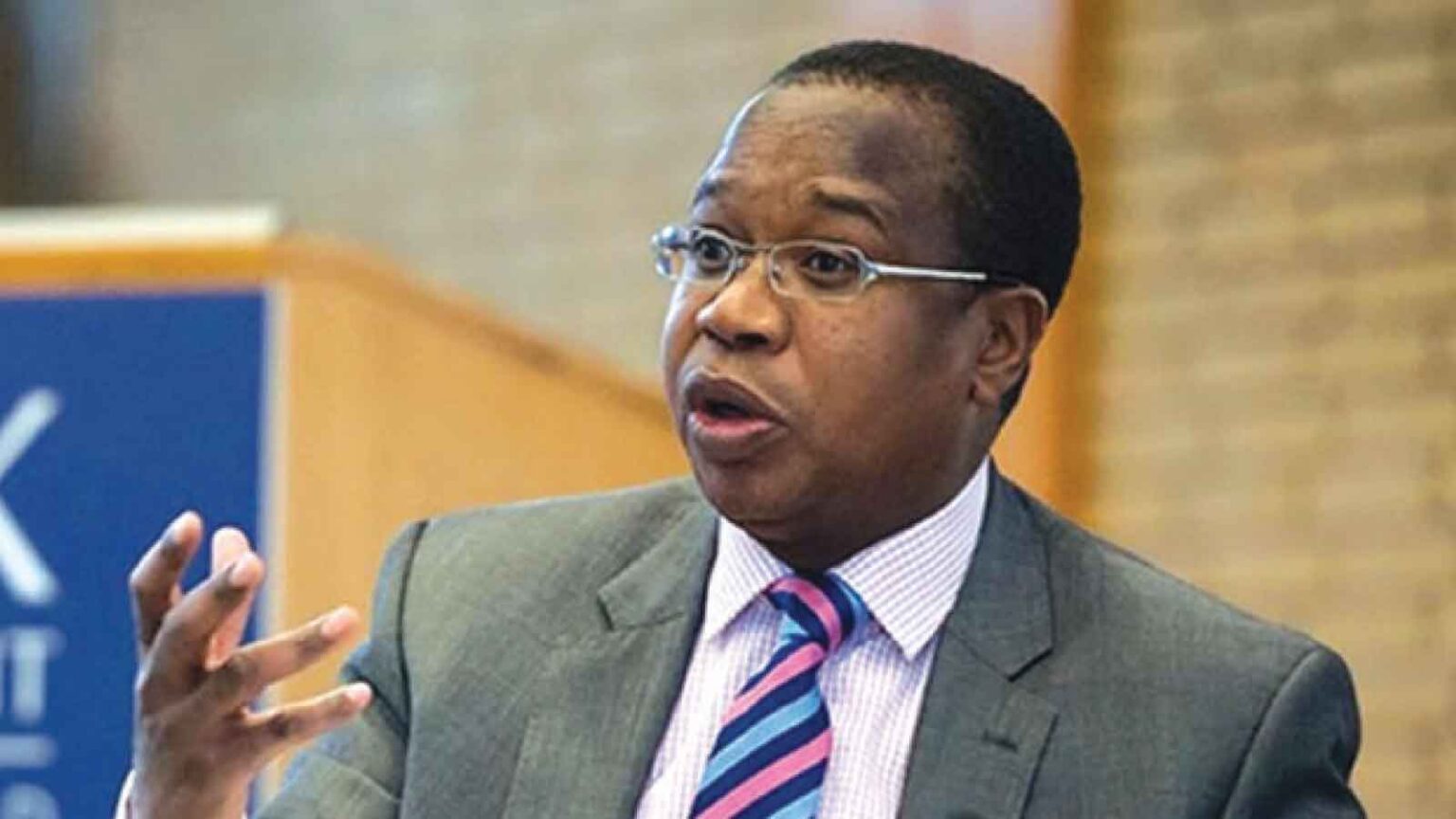
ZIMBABWE’S average daily power generation rose by 76,8 percent to 1 537 megawatts (MW) in 2025, up from 866 MW in 2024, Finance, Economic Development and Investment Promotion Minister Professor Mthuli Ncube has revealed. This comes as the Government plans to mobilise over US$9 billion in energy-sector investments, with a strong focus on private-sector participation, to boost national output and close the persistent energy deficit. Minister Ncube, in the Government’s 2026 Zimbabwe Infrastructure Investment Programme released last week, said expanded modern energy services were fundamental to national development, noting that reliable power underpins industry, health, education, gender equality, and broader economic progress. “Government recognises that expanding modern energy services is essential for driving industrial growth, improving health and education, promoting gender equality, and supporting overall development,” he said. According to the energy investment document, as of November 6, 2025, Hwange Power Station was the largest contributor to the national grid at 980MW, followed by Kariba at 505MW and Independent Power Producers (IPPs) at 52MW. Zimbabwe is producing 1,422MW, with thermal giant Hwange Power Station generating 817MW, Kariba South Power Station producing 550MW, and IPPs contributing 55MW. Minister Ncube said that under the US$9 billion 2026 energy compact programme, the Government aims to expand generation and network infrastructure at competitive costs while leveraging regional integration. The plan also seeks to embrace distributed renewable energy and clean-cooking solutions, incentivise private-sector participation, and ensure financially viable utilities provide reliable and affordable services. ReadMore