Tourism receipts surge 14pc in first quarter
 Oliver Kazunga
Senior Reporter
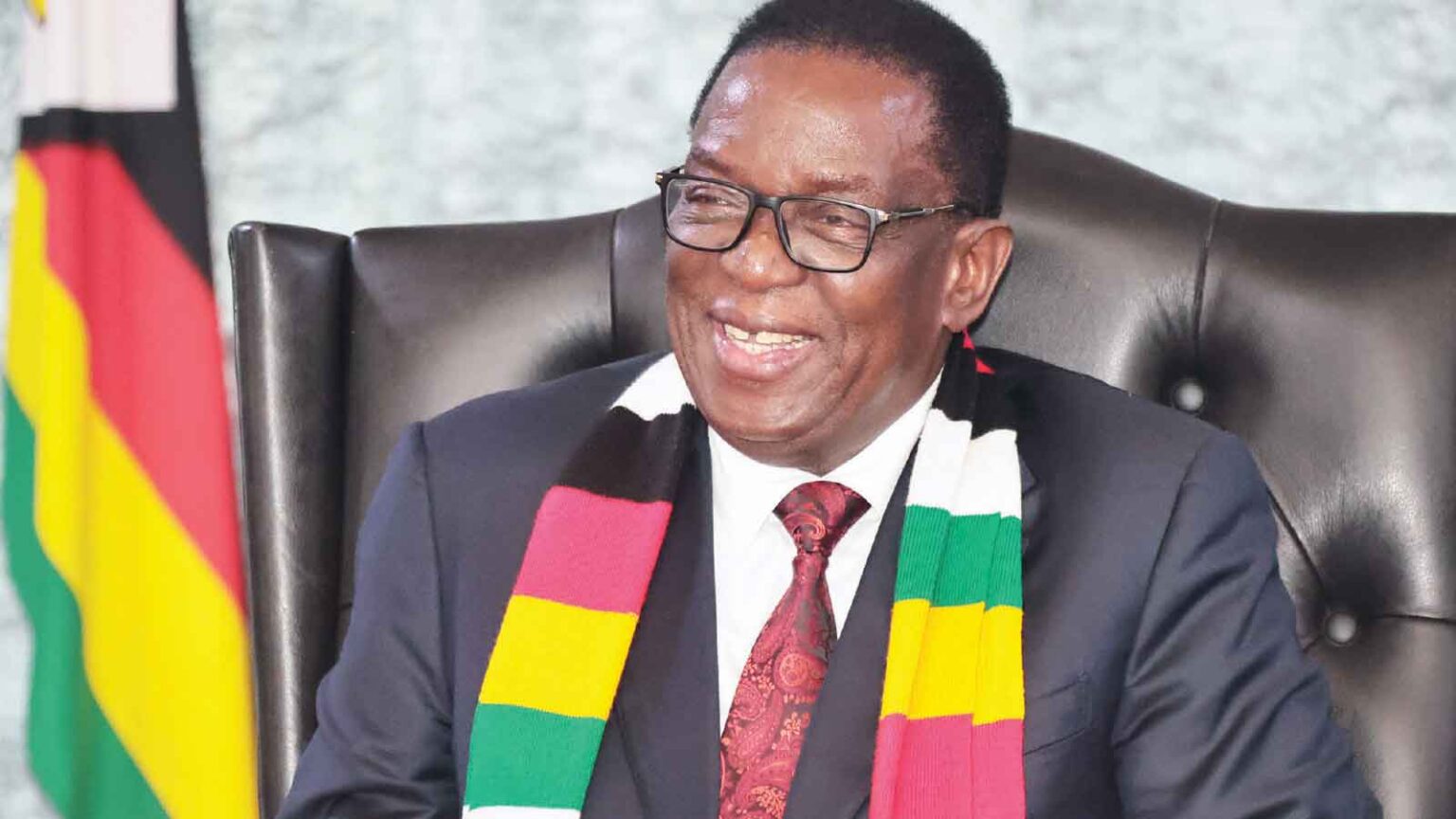
ZIMBABWE’S tourism sector has performed well in the first quarter of 2026, with receipts surging 14 percent to US$251 million from US$221 million and arrivals rising 11 percent, marking one of the strongest post-pandemic recoveries for a key foreign currency earner. Following the outbreak of the Covid-19 pandemic in December 2019, the tourism sector was the hardest hit industry as the World Health Organization imposed national lockdowns and travel restrictions to curb the spread of the deadly respiratory infection that killed millions of people across the globe. Latest figures from the Zimbabwe Tourism Authority (ZTA) show that international tourist arrivals rose to 384 561 in the first quarter of 2026, up from 347 555 during the same period last year, underlining sustained demand and improved competitiveness of the destination. Africa accounted for 75 percent of total arrivals in the quarter under review — slightly down from 76 percent in the same period last year. President Mnangagwa’s re-engagement drive and heritage-based tourism strategy continue to deliver tangible results, positioning Zimbabwe as one of Africa’s fastest-rising tourism destinations. Under this bold vision, the country has recorded remarkable international recognition, with Tourism Minister Barbara Rwodzi being named Africa’s Best Minister of Tourism, while Zimbabwe was crowned Best Natural Destination — Wonders by PATWA during ITB Berlin. Adding to the momentum, Forbes also listed Zimbabwe among the world’s must-visit destinations, further cementing the country’s global tourism appeal. Minister Rwodzi was also named the top performing Cabinet minister for 2025. The aggressive tourism growth and destination protection agenda received another major boost in February with the appointment of Dr George Manyaya as the new Chief Executive Officer of the Zimbabwe Tourism Authority (ZTA). His appointment has been widely viewed as a strategic move to accelerate destination marketing, strengthen investor confidence, and safeguard Zimbabwe’s rich tourism heritage. ReaMore