‘Economy to maintain solid growth in 2026’
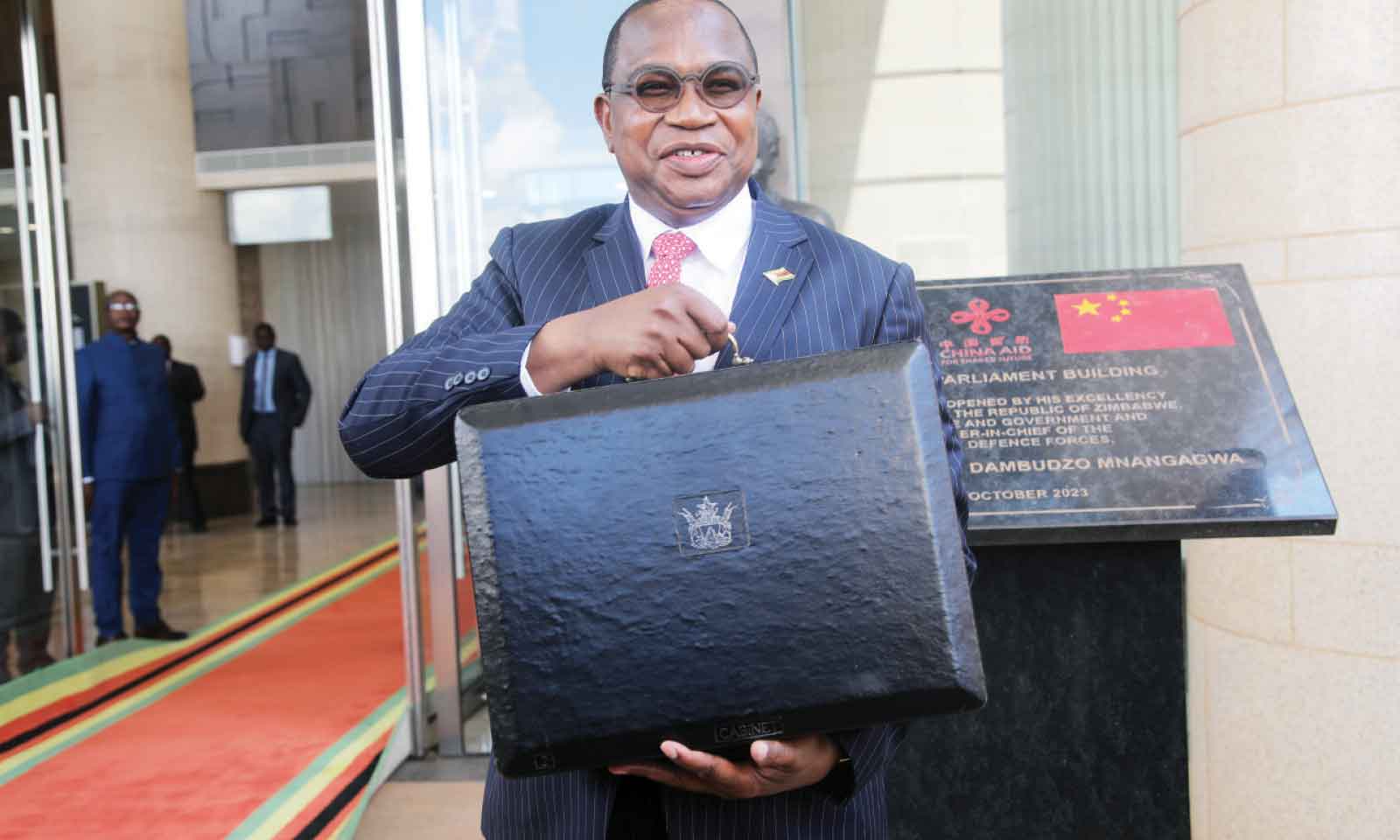 Finance, Economic Development, and Investment Promotion Minister Professor Mthuli Ncube
Golden Sibanda
Business News Editor
THE economy is projected to maintain a solid growth trajectory of at least 5 percent in 2026, Finance, Economic Development, and Investment Promotion Minister Professor Mthuli Ncube has said. The growth, he said, will be anchored on key sectors such as electricity generation, agriculture, mining, manufacturing, and wholesale and retail trade. The rapidly stabilising macro-economic conditions, with year-on-year inflation expected to moderate to about 12,1 percent by the end of 2026, would also support the prevailing strong economic growth trajectory. Treasury expects the ZiG annual inflation rate to further decline to single-digit levels by the fall of 2026, reflecting anchored inflation expectations, currency and exchange rate stability, as well as strengthened monetary-fiscal policy coordination. The 2026 National Budget broadly reflects the Government’s policy thrust under National Development Strategy 2 (NDS 2), Zimbabwe’s next medium-term policy blueprint, which broadly seeks to consolidate the gains of NDS 1, including the plunge in inflation, supported by the now largely stable exchange rate. NDS2 is Zimbabwe’s comprehensive blueprint to accelerate the economic transformation towards the realisation of Vision 2030, which is to elevate the country into a prosperous and empowered upper-middle-income Society by 2030. Presenting his US$9,5 billion 2026 national expenditure plan at the New Parliament Building yesterday, Prof Ncube said favourable weather conditions were expected to bolster agricultural production, while higher investment in the manufacturing sector was expected to drive industrial output. He said the 2026 National Budget was anchored on the 10 national priorities of NDS2-2026-2030, which include macroeconomic stability and financial sector deepening, inclusive economic growth and structural transformation, infrastructure and housing development, agriculture, national food security, climate and environment and science, technology, digitalisation, innovation, and human capital development. ReadMore